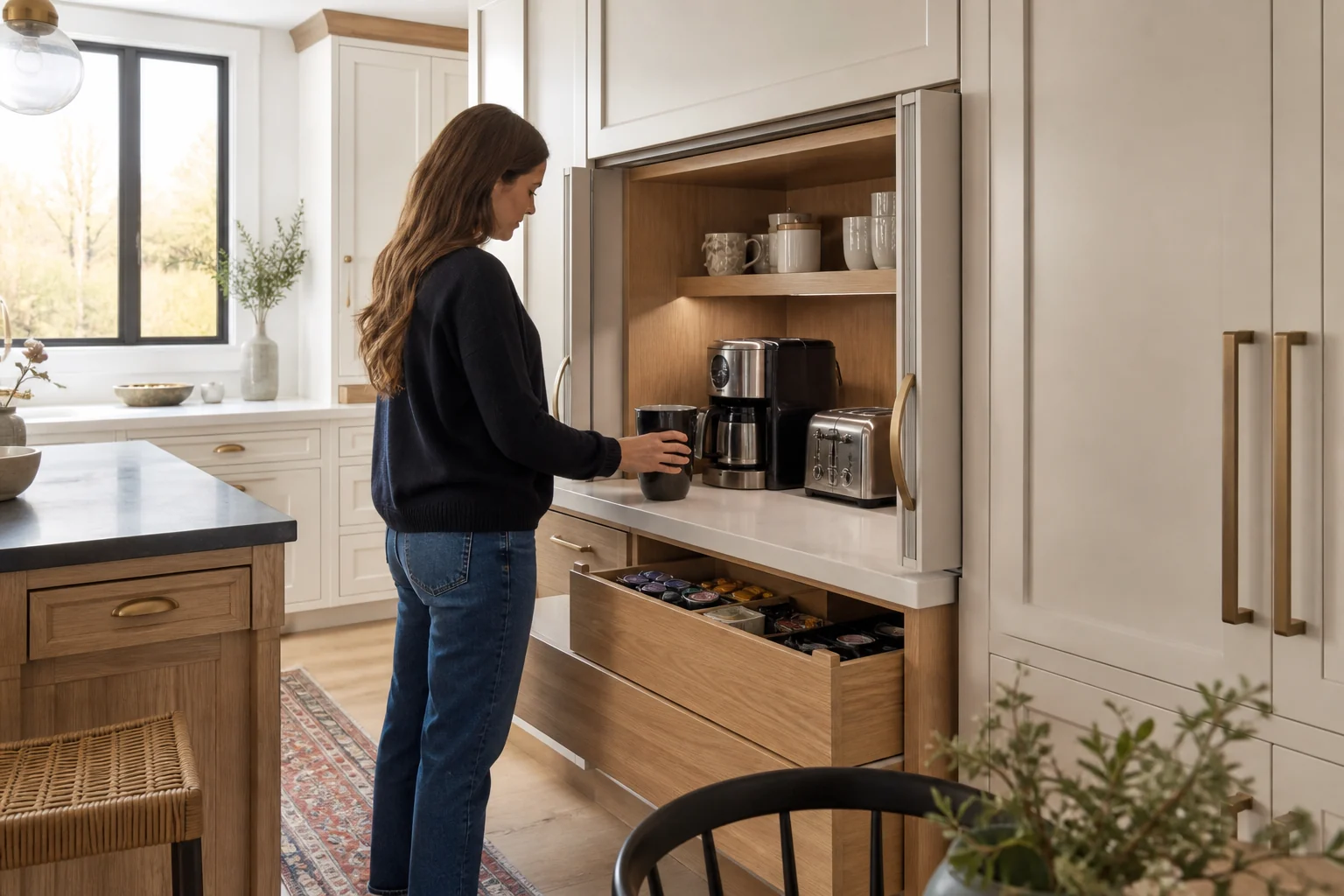
Design around the morning routine
List every appliance and supply that belongs in the station. Measure appliance width, height and depth with lids, handles and water reservoirs open. Decide where mugs, filters, pods, tea, toaster tools and cleanup supplies will live.
Locate the station away from the primary cooking path when possible so someone can make coffee without crossing the cook's workspace.
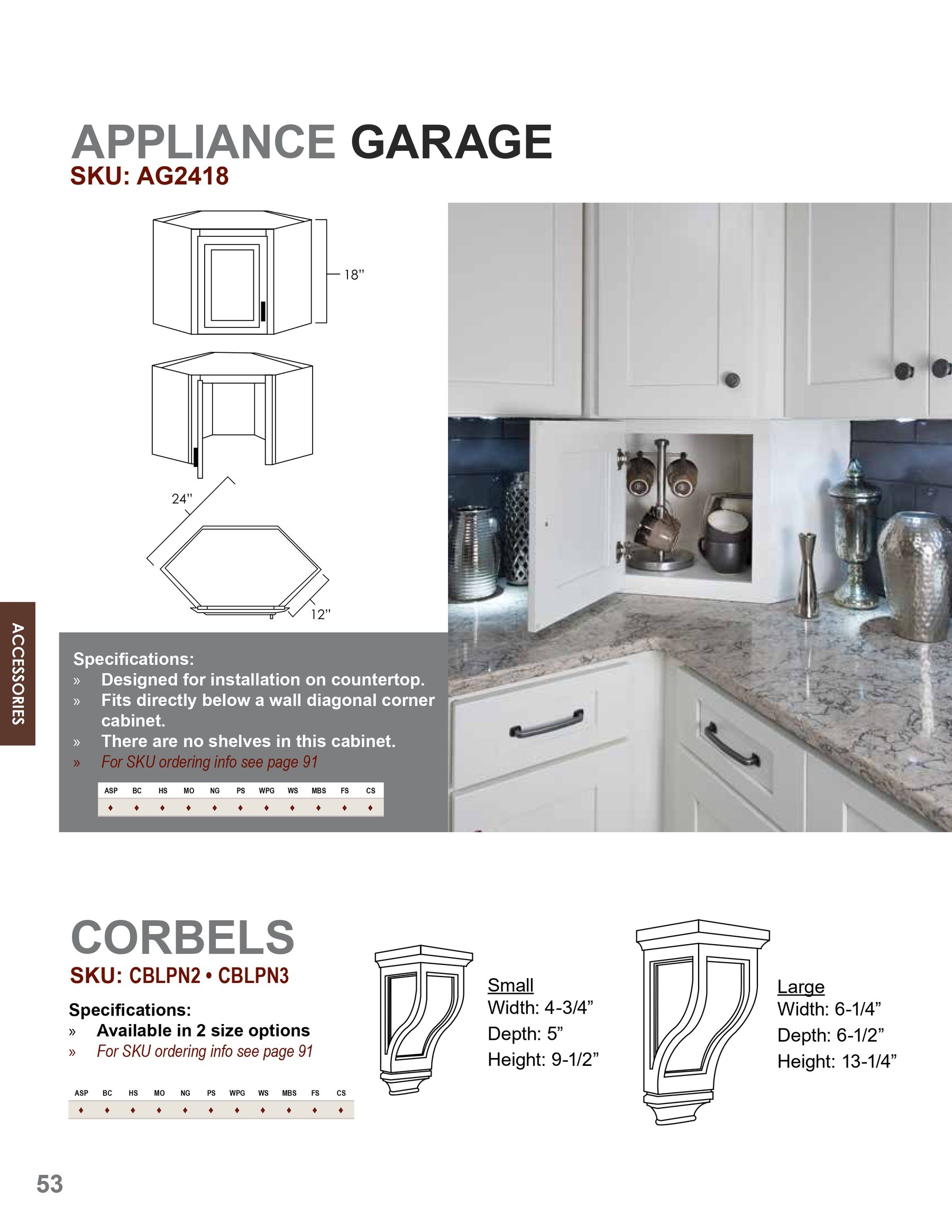
The door changes everything
Pocket, lift-up and retracting doors preserve open access differently. Standard hinged doors may be simplest, but they need clear space and can remain in the user's way.
Confirm that appliances can be operated safely in the intended position. Electrical, ventilation and heat requirements should follow appliance instructions and local professional guidance.
Protect real counter space
A full-height appliance garage can consume a valuable landing or prep area. In a small room, a tall cabinet with interior pullouts or a dedicated counter niche may be the better trade.
The station succeeds when closing it genuinely restores calm—without making daily use a complicated sequence.