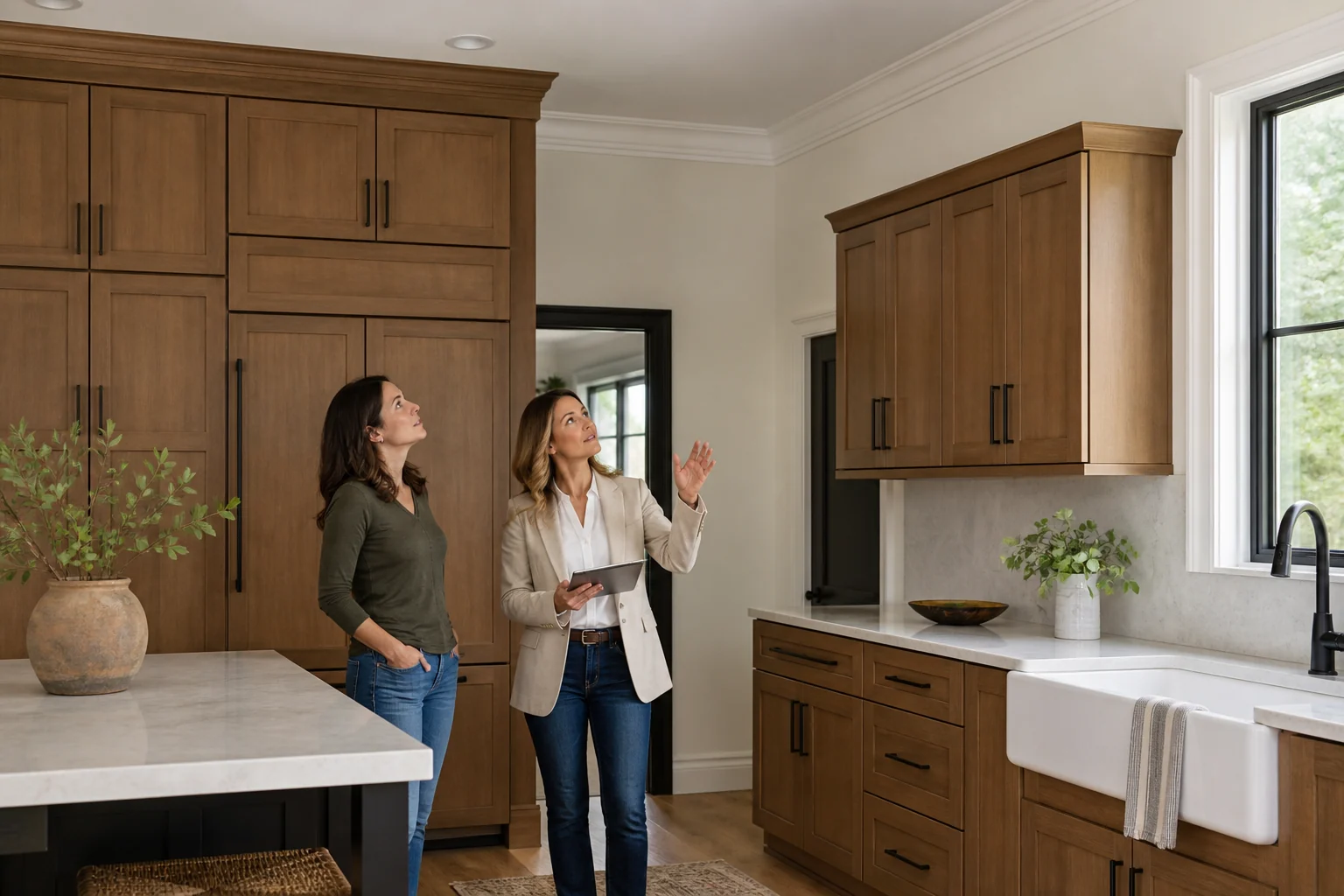
Why ceiling height changes the room
A continuous top line reduces the dust-catching ledge above cabinets and can make an ordinary kitchen feel more architectural. It also creates storage for seasonal serving pieces and items used only occasionally.
More storage is not automatically useful storage. Decide how the highest compartments will be reached and what deserves to live there.
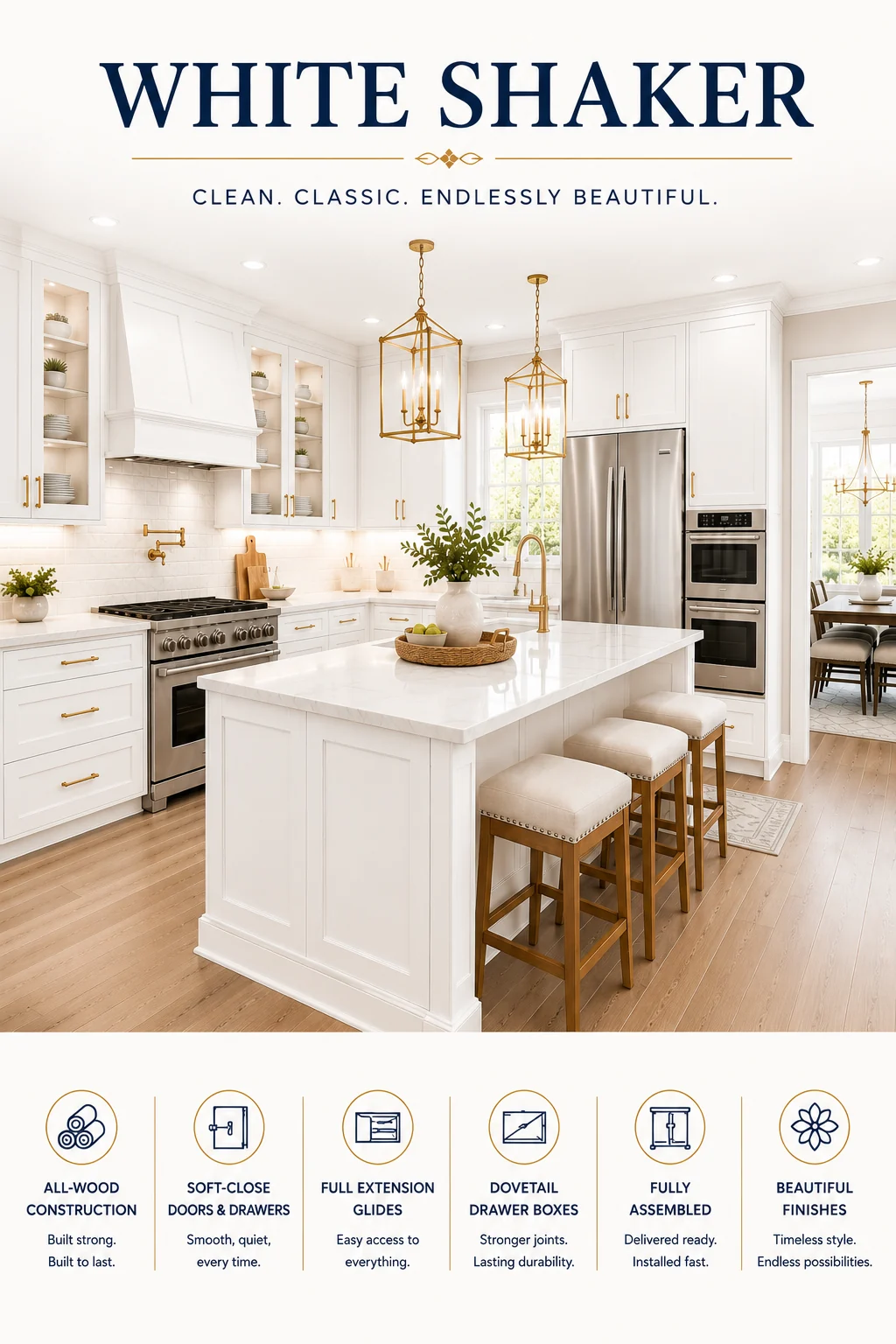
The molding is part of the design
Crown can bridge a controlled gap and absorb small ceiling variations, but it cannot disguise every slope or wave. A careful plan considers cabinet height, riser or starter molding, crown profile and the room's existing trim.
Stacked cabinets add another horizontal line and additional doors. They work best when the room has enough height and the proportions relate to windows, hoods and tall cabinets.
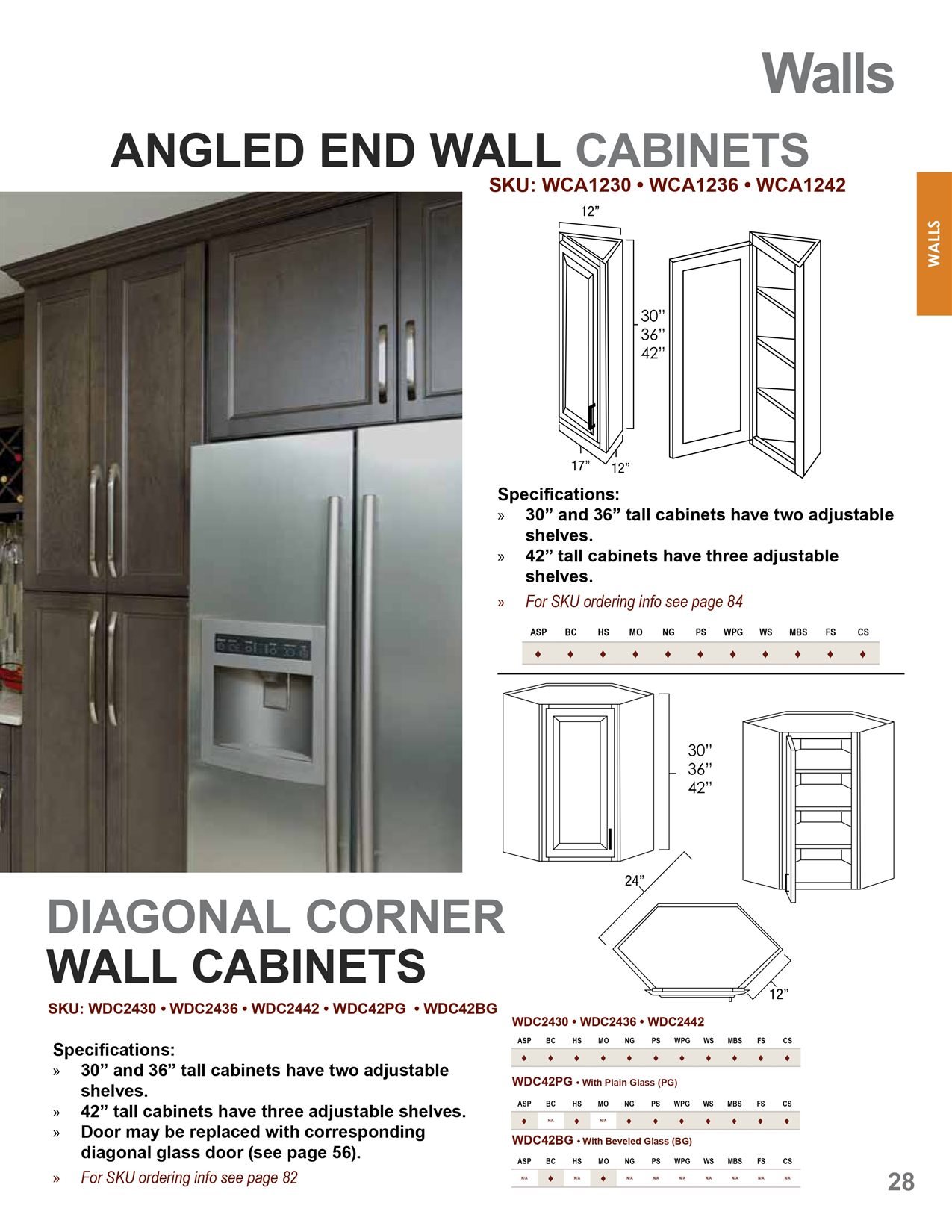
An intentional gap can be right
In very tall rooms, forcing cabinetry all the way up can feel top-heavy and costly. A clean stopping point can preserve breathing room—provided the gap is substantial enough to look deliberate.
Compare elevations of both choices before ordering. The answer should come from the full wall composition, not a trend rule.